
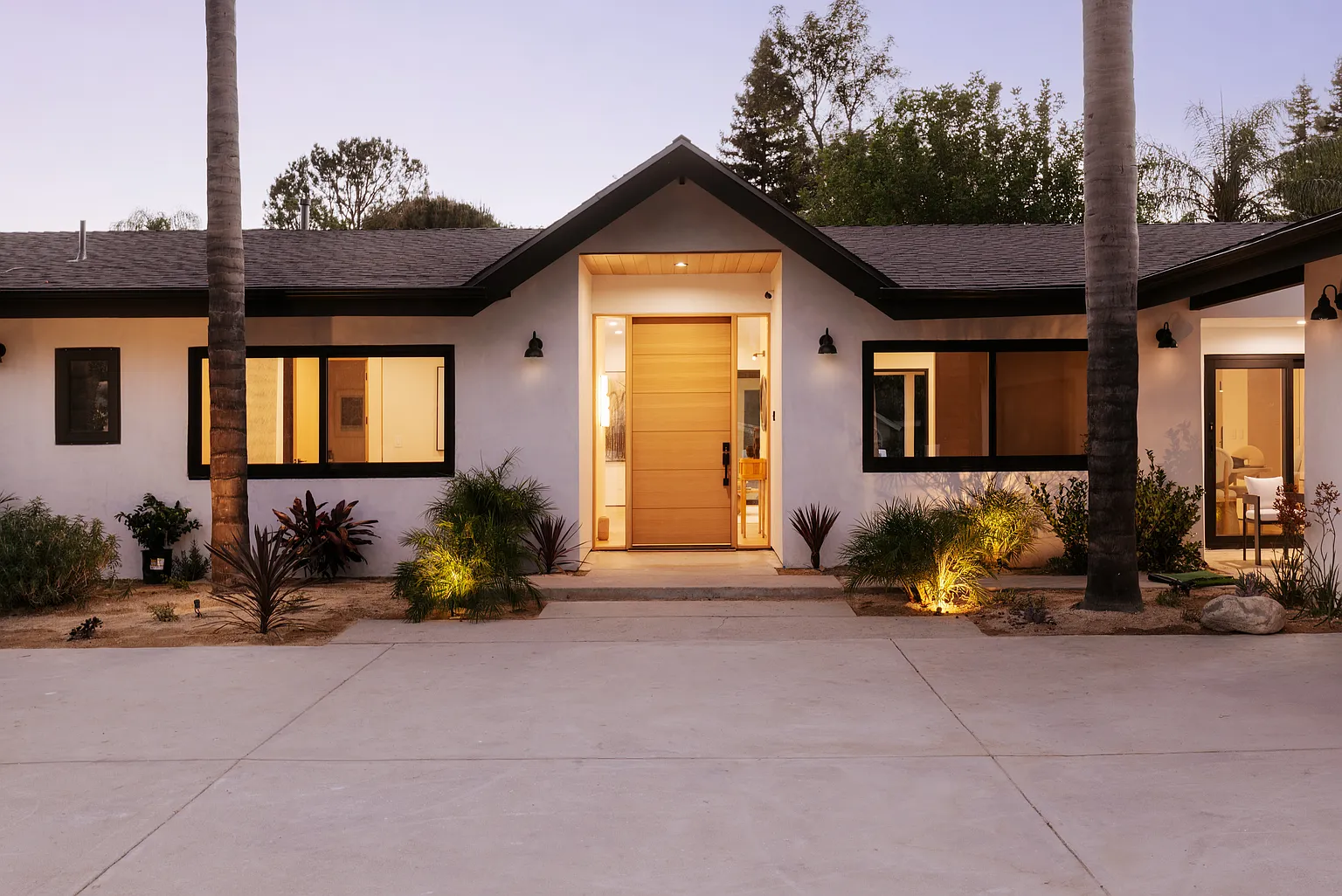
For a South Florida home, outdoor space deserves the same attention as the rooms inside. A dining terrace, a quiet garden seat, and a poolside lounge each serve a different purpose. Our design perspective: begin by deciding when you want to use each space, then make shade part of that brief before selecting furniture or paving.
Design for the hour you will actually be outside
Breakfast outdoors and a late-afternoon gathering ask different things of the same terrace. During planning, mark the intended seating areas on a site plan and ask the design team to study them at the times you expect to use them. Include the view from indoors: where would shade improve comfort, and where do you want to preserve an open outlook?
UF/IFAS guidance written specifically for South Florida identifies west-facing walls as the first priority for warm-season shading, followed by east and south exposures. It also calls for considering seasonal sun angles, mature tree height, and the height of the building. These are useful starting points for a site-specific study, not a guarantee that one standard canopy or planting arrangement will work everywhere. Read UF/IFAS guidance on shade trees for South Florida.
Draw the outdoor room before filling it
One useful exercise is to sketch a furnished terrace twice: once as an empty architectural space and once with chairs pulled out, people moving through it, and doors open. The second drawing makes the everyday requirements clearer. A sheltered table still needs comfortable circulation; a garden seat should have a reason to be where it is.
Ask your architect and landscape designer to compare built shade with planting as complementary options. A roofed terrace, an overhead structure, and a tree canopy create different spatial experiences. Review their appearance from the house as well as from the garden. Resolve the intended character early: intimate and enclosed, open to the pool, or framed around a particular view.
Choose planting for the property, not just the photograph
A reference garden can establish a mood without supplying the right plant list. UF/IFAS recommends assessing a tree's regional suitability, eventual size, root space, coastal salt tolerance, pruning needs, and seasonal leaf or fruit drop. For a coastal property, those practical questions belong alongside color and form. See the UF/IFAS tree-selection checklist.
Translate that research into a discussion about the specific lot. Ask what the planting will look like at installation and at maturity, how it relates to the pool and paths, and where maintenance access will be needed. Request that the planting plan identify species clearly so the final selections can be checked, rather than relying on a general label such as “tropical screening.”
Plan the first year as carefully as the finished garden
Low-maintenance planting still needs an establishment plan. UF/IFAS notes that even drought-tolerant plants require watering while becoming established, and that the duration depends on the species and site conditions. Its South Florida plant guide includes information such as light preferences and salt tolerance to help match selections to a location. Explore the South Florida low-maintenance plant guide.
Before installation, agree who will oversee watering, check plant health, and manage routine care. Include that responsibility in the handover conversation. A garden designed around your maintenance preferences is easier to live with than one that assumes an unspecified level of ongoing attention.
A better brief for outdoor living
Bring three things to the next design meeting: the activities you want to accommodate, the times of day you expect to be outside, and the maintenance routine you are willing to support. Add a few references that explain the atmosphere you like. Together, they provide a more useful starting point than a list of products.
For more preparation before a broader home project, read our guide to planning a Miami home project. The aim is an outdoor space that feels considered in daily use, with architecture and landscape developed as parts of the same home.